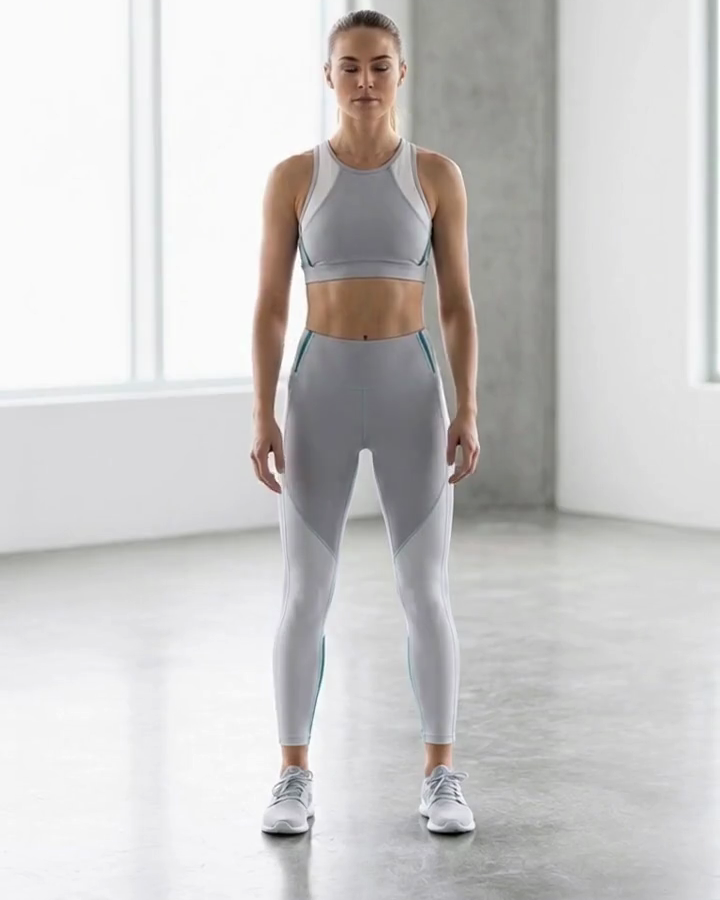
Set your stance
Before you lower, let both feet feel supported so there is a clear starting point to observe.Knee Alignment Guide
Noticing where your knees travel is one practical part of learning a more controlled squat. Treat it as information for your next rep, not a reason to panic.
A Visual Check
Use these two front-view moments to make knee tracking easier to observe. Start with a steady stance, then look again at the bottom of a comfortable rep.
Educational movement illustration, not a medical assessment.
Set your stance
Before you lower, let both feet feel supported so there is a clear starting point to observe.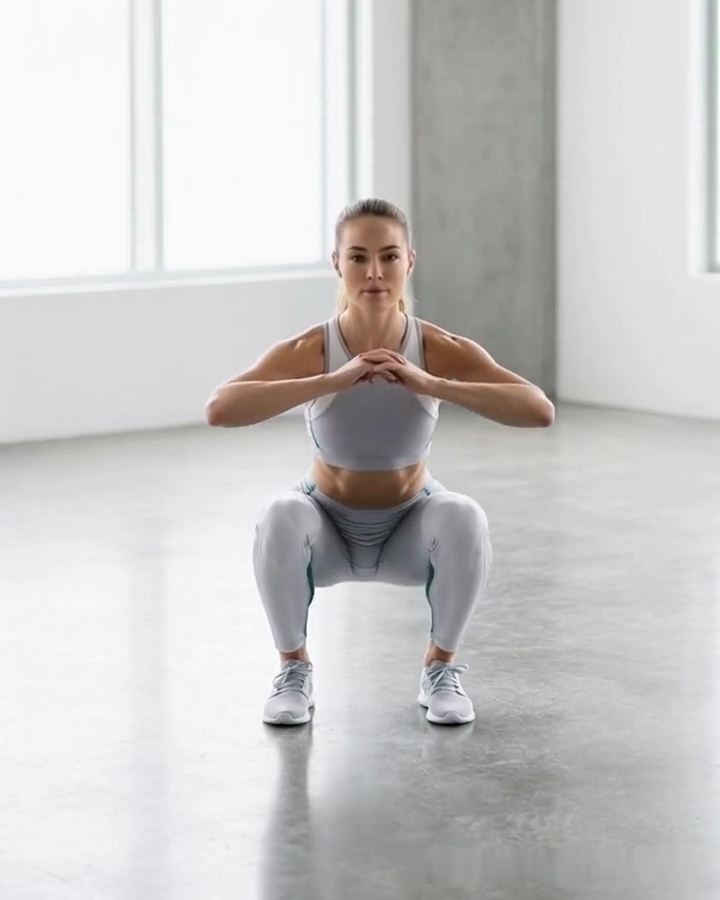
At the bottom, notice direction
Slow down enough to notice whether either knee begins to move toward the middle before you stand.Begin by observing what happens across a few comfortable reps. Slow down and pay attention to controlled knee tracking as you lower and stand.
There is no need to change everything at once. Pick one simple point of attention, then see whether the movement feels easier to follow on the next rep.
Choose a comfortable range and keep the movement controlled. A smaller, steady practice range can make it easier to pay attention to your feet, balance, and knee tracking before you try to move lower or faster.
For a broader starting point, read the beginner squat guide. You can also see how VexaFit works before using live feedback in your own session.
If you have pain, an injury, or a concern about symptoms, seek advice from an appropriate qualified professional.
VexaFit is designed to help beginners notice squat-practice patterns. It does not diagnose knee conditions or replace individual professional advice.
Practice With Feedback
VexaFit brings live cues and a post-session summary into one beginner-friendly squat practice loop.
Get it on Google Play