Beginner Squat Guide
A beginner's guide to a stronger, more comfortable squat.
Use this simple foundation to make your first squat sessions feel more controlled before you add live feedback.
- STANCE
- Find a supported base
- CONTROL
- Move at your own pace
- RANGE
- Stay in a comfortable range
Squat Drivers
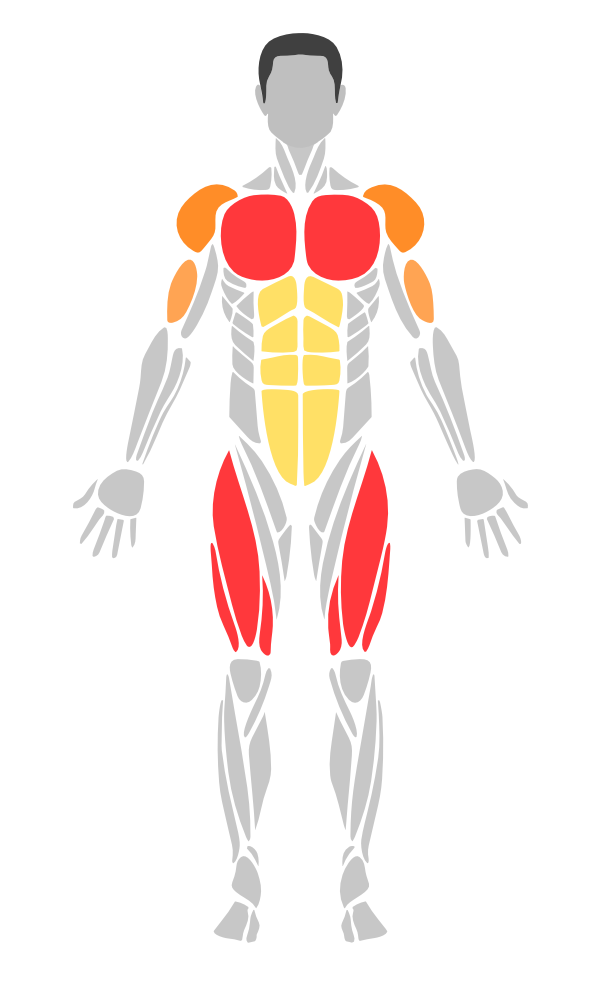
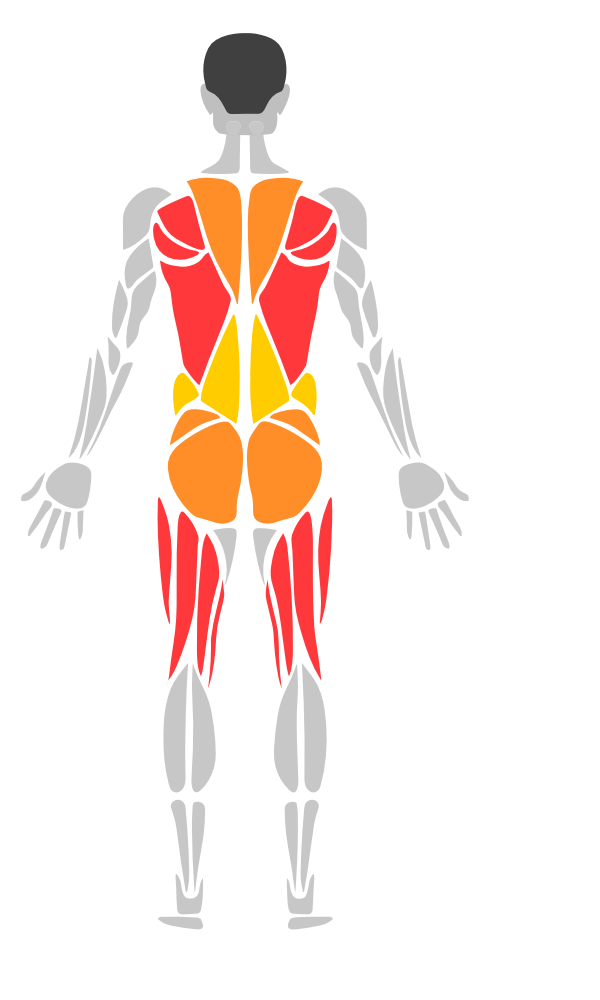
Your hips and thighs share the work on every rep.
A controlled squat asks your front thighs to help manage the lowering phase, then brings your glutes and hamstrings in to help you stand back up.
- Lower with control
- Your quadriceps help control the bend at your knees as you descend.
- Stand with intent
- Your glutes and hamstrings help extend your hips as you return to standing.
This is a training reference, not a diagnosis or a reason to push through pain.
Illustrations adapted from MuscleMap under the MIT License.
Why beginners start with squats
Squats are a repeatable lower-body pattern. They give beginners a simple way to practice control, balance, and a movement they will see in many gym and home-training routines.
Start in a place where you can move without rushing. A little room, stable footwear, and a pace you can control are enough for an early practice session.
What a good squat should feel like
A useful squat usually feels controlled and balanced through your feet. Work within a range that feels comfortable for you; there is no need to force a painful position just to match someone else's depth.
Think about moving smoothly, keeping your feet supported, and noticing whether you can stay balanced as you lower and stand.
Keep your first practice simple
Start slowly. Keep your attention on one cue at a time, use a range you can control, and give yourself several relaxed practice reps before you try to go faster or lower.
- Choose a comfortable stance and start with an easy range.
- Move down and stand up at a pace you can control.
- Notice one thing you want to repeat or adjust on the next rep.
Practice With Feedback
Ready to see a clearer view of your squat practice?
VexaFit brings live cues and post-session summaries into the same simple practice loop.
Practice with live feedback